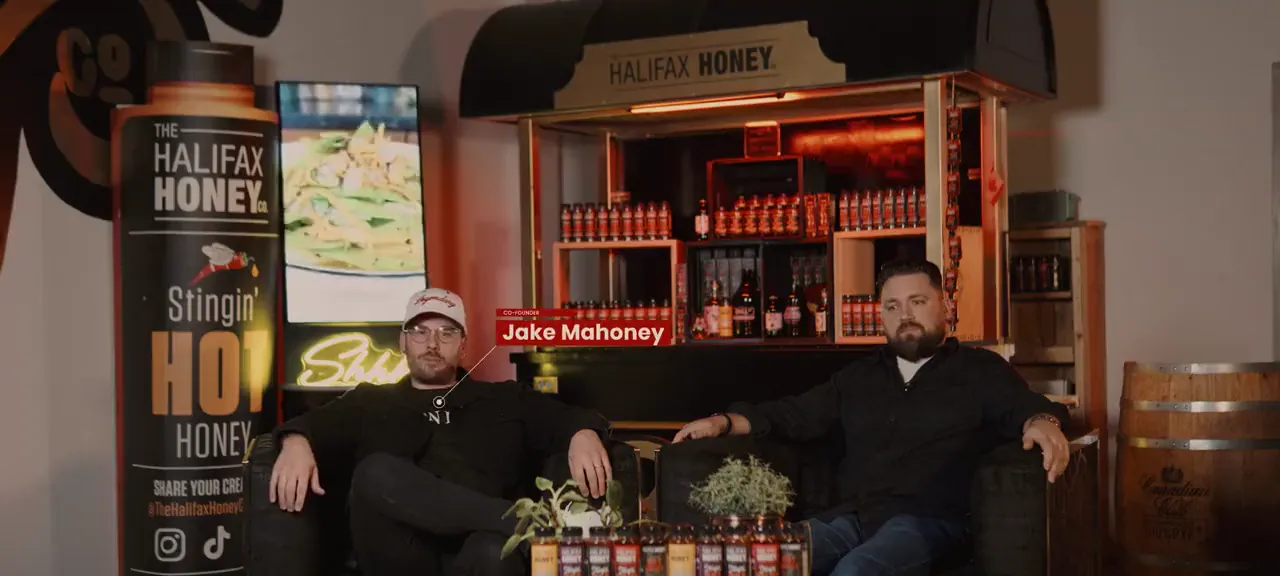
Founders ask us this in the first ten minutes of almost every call: "Should we do a proper brand video, or should we just start making reels?" Usually there is a budget behind the question that covers one or the other, not both. Here is how we actually answer it, including the cases where the answer is not what the client hoped to hear.
First, be clear on what each one is
A brand film is a single 60 to 90 second piece that explains who you are, what you do and why it matters, shot with intent: real people, real locations, a script or interview structure, a considered edit. It lives on your homepage, in proposals, on your YouTube channel and in your sales team's follow-up emails. It is built to be watched once and remembered.
A reel library is a set of short vertical clips, typically 6 to 20 seconds each, built for Instagram Reels, TikTok and YouTube Shorts. Individually they are disposable. Together they are a presence. They are built to be watched hundreds of times by strangers who have never heard of you.
The two assets do different jobs. Most of the confusion around brand video vs. reels comes from expecting one to do the other's job.
The one question that decides it
Ask this: where does trust actually get built for your business, before the conversation or during it?
If your customers have to talk to you before they buy, whether you are a contractor, a consultant, a B2B service or anything with a quote and a proposal, trust is built during the conversation, and the brand film is your best sales support asset. It does the emotional work before the sales call, so the call can be about specifics.
If your customers can buy without ever talking to you, which covers packaged food, drinks, retail products and most consumer goods, trust is built before the conversation, in the feed, by repetition. That is a reel library job.
That single distinction settles most cases. The rest of this post is the detail.
When a brand film earns its cost
We have shot brand films for construction companies like MF Construction and Build It, and those projects are the clearest examples of a film doing a job nothing else can. Nobody hires a builder from a nine-second reel. They hire after a site visit, a quote and a conversation in which the deciding factor is "do I trust these people with my house or my building." A film that shows the crew, the finished work and the founder talking plainly about how they run a job is the asset that gets forwarded to a spouse or a business partner the night before the decision.
Signs a brand film should come first
- High ticket, considered purchase. Construction, renovation, professional services, equipment, real estate. The film shortens the trust gap.
- A website that needs a hero. If your homepage is the most visited page in your business and it currently opens on a stock photo, a film above the fold is the highest-leverage fix available.
- Proposals and pitches. A link to a ninety-second film in a proposal does what four pages of "about us" copy cannot.
- Recruiting. Trades and service businesses in Toronto are competing for people as hard as for clients. A film that shows what it is like to work there pulls double duty.
- A founder story that is actually the differentiator. If the reason people choose you is you, the film is how strangers meet you at scale.
The brand film is a trust asset. It does not need to go viral. It needs to be seen by the right forty people in a month and move ten of them.
When a reel library wins
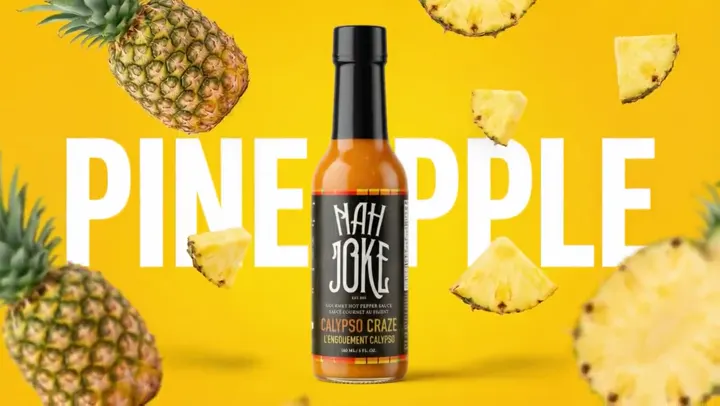
The brands we work with in food, drink and retail, such as Nah Joke, Hanes Hummus, Rey Watches and Carobium, are reel-driven, and it would be a mistake to point their first dollar at a brand film. Their customer is scrolling, sees the product, and either wants it or does not in under two seconds. The purchase happens in a store aisle or on a product page, without a conversation. Repetition is the whole game: the same product, shot ten different ways, showing up in the feed week after week until the brand feels familiar.
Signs a reel library should come first
- Consumer product, low to mid price. CPG, food, beverages, accessories, fashion, beauty.
- Retail or e-commerce distribution. The feed is the top of the funnel and often the whole funnel.
- The product is visual. If it pours, melts, swirls, reflects, or looks good in someone's hand, it is a reel product.
- You need to learn what works. Ten reels teach you which hooks, angles and formats your audience responds to. One film teaches you nothing about that.
- You are launching, not explaining. New flavour, new colourway, new season. Reels are launch-native.
A reel library is a reach asset. Any single clip can flop. The library compounds. The 1M+ organic views we have generated for clients came overwhelmingly from libraries, not from single hero pieces.
A brand film convinces the person who is already talking to you. A reel library finds the people who are not yet.
The honest failure modes
Both choices fail in predictable ways when they are made for the wrong reasons.
The brand film that nobody sees
A founder spends the whole budget on a beautiful three-minute film, posts it once, embeds it on a homepage with little traffic and wonders why nothing changed. The film was fine. There was no distribution behind it and no reel library to keep the account alive between this film and the next one. We wrote about this pattern in why video-first compounds: a museum piece is not a strategy.
The reel library with no floor
A service business starts posting reels because a competitor did. The clips get views but the sales calls do not get easier, because when a serious prospect lands on the website there is nothing that explains the business with any depth. Reels made the brand visible without making it credible.
The film shot like a reel, the reel shot like a film
Brand films that chase trends age in a month. Reels shot with cinematic pacing and a slow reveal die at second two. Each format has its own grammar. Use it.
The hybrid: the anchor shoot
Here is what we actually recommend to most small businesses in Toronto, and what we build most of our own projects around: one anchor shoot, planned for both.
Rather than choosing, you schedule one or two production days and write a derivative map before anyone touches a camera. The map lists every asset the day must produce: a 60 to 90 second brand film, three to five paid cutdowns, eight to fifteen vertical reels, stills for the website, and b-roll for the next quarter. The shot list serves the map. The film gets its interview, its wides and its hero moments; the reels get their hooks, textures and vertical framing; and everything is shot back to back on the same locations with the same crew.
This is the "one shoot to 30 days of content" model we describe in creative systems. It costs more than a reel-only day and less than shooting the two separately, and the founder ends up with both a trust asset and a reach asset from one budget line.
How to weight the anchor shoot
- Service business: roughly 60 percent of the day on film coverage (interview, process, finished work), 40 percent on reels (before-and-afters, crew moments, quick tips).
- Product business: roughly 70 percent on reels (hero product shots, textures, use cases, multiple SKUs), 30 percent on a short brand piece for the website and wholesale buyers.
- Either: build the paid cutdowns from the film footage, so the ads and the homepage feel like the same brand.
A simple decision path
- Does a customer have to talk to you before buying? Yes: film first. No: reels first.
- Is your homepage your most important sales page? If yes and it has no film, that pushes toward film even for product brands.
- Do you know what your audience responds to yet? If no, reels first. They are the cheapest research you can buy.
- Can the budget cover one anchor day? If yes, stop choosing. Plan the day for both.
Whichever way you go, decide the distribution before the shoot. Where will the film live, who sends it, how often do the reels post, who runs the paid layer. Production without a distribution plan is how good footage ends up in a folder. You can see both formats side by side on the work page.
FAQ
Should a small business make a brand film or reels first?
If customers need to talk to you before buying, make the brand film first; it supports sales conversations and gives your website a hero. If customers can buy without a conversation, such as food, drink or retail, build a reel library first. If the budget allows one anchor shoot day, plan it to produce both.
How long should a brand film be?
Sixty to ninety seconds is the range that holds attention and still explains the business. Longer founder-story cuts can live on YouTube and in proposals, but the homepage version should stay under two minutes.
How many reels do you need to start seeing results?
Think in libraries, not single posts. Eight to fifteen reels from one shoot gives you enough to post consistently for a month and enough variety to learn which hooks and formats your audience responds to.
What is an anchor shoot?
An anchor shoot is one or two production days planned against a derivative map: a list of every asset the day must produce, including a brand film, paid cutdowns, vertical reels and stills. It lets a small business get both a trust asset and a reach asset from a single budget.
Related notes
More from The Cut
 Website video above the fold without killing page speed: how we ship motion that still scoresMotion sells. A 40 MB autoplay loop does not. This is the pattern running on our own homepage.Read the note
  Toronto event videography: how one event produced 200K views (and what we shoot to get there)Plan for the vertical feed, edit before the lights come up, and post like the event is still happening.Read the note
  Product video for CPG brands: the 3-scene reel formula we use for food, drink and retailHook, product in use, payoff. Three scenes, twelve seconds, and a shoot day that produces ten of them.Read the note