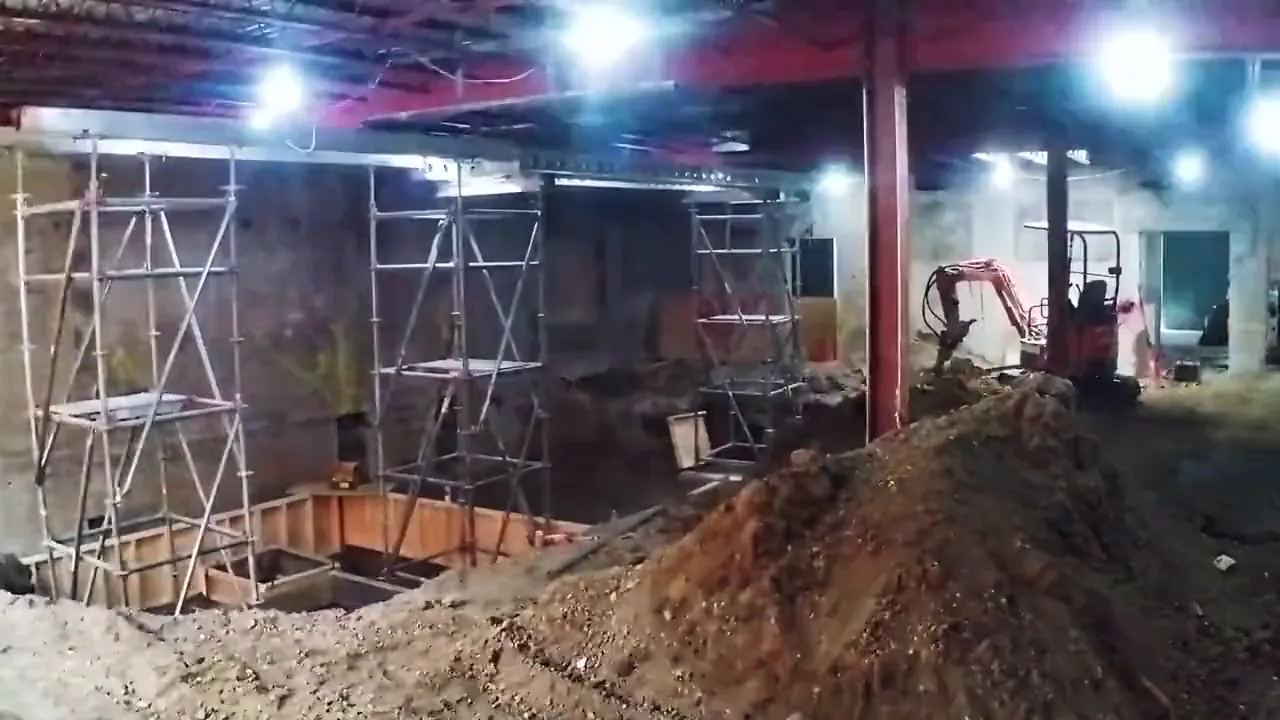
A shoot day is expensive in the one way you cannot refund: time. Crew, gear, location and the founder's attention are all booked for the same eight hours, and every twenty minutes spent hunting for a clean product box or a working outlet is twenty minutes of footage you will never get. Almost every disappointing shoot we have seen was decided before anyone turned on a camera.
So we send the same checklist to every client before a Narsaik production day, whether it is a construction company, a hummus brand or a DJ. This is that checklist, written for founders about to be on set for the first time.
Start with what the day must produce
Before locations, before wardrobe, before anything else, write down what the shoot is for. Not "brand content". A specific job: launch a service page, fill 30 days of social, replace the stock photos on the website. A crew cannot prioritize when everything is equally important.
Then build the derivative map. This is the list of every finished asset the day has to produce. A typical small-business day looks like this:
- One 60–90 second hero or founder film
- 3–5 paid cutdowns at 15 and 30 seconds
- 8–12 vertical clips for Reels, TikTok and Shorts
- 15–30 stills for the website and Google Business Profile
- A b-roll library: process, hands, space, product, team
The shot list is written to serve that map. If a shot does not feed a line on the map, it gets cut. This is the discipline that turns one shoot into 30 days of content. We wrote up the system side in how one shoot becomes a month of content; this article is about the week before.
Locations and permissions
Decide where you are shooting and confirm you are allowed to. That sounds obvious. It is the most common day-of surprise.
- Your own space. Tell the team a crew is coming. Staff who do not know will walk through frame, move the product and leave a coffee cup in the hero shot.
- Client sites. Contractors, landscapers and installers shooting on a job need written permission from the homeowner or property manager, a confirmed date, and a heads-up about anyone on site who does not want to be filmed.
- Public spaces in Toronto. Sidewalks and parks are generally fine for a small handheld crew. Tripods, lights or anything that blocks a path may need a permit. Tell us early and we handle the paperwork.
Send us phone photos of every location, taken at roughly the time of day we will be there. We use them to plan lighting and power. Note parking, loading access, elevators, and whether there is a quiet room for interviews.
Wardrobe and brand colours
You do not need a stylist. You need three rules.
- Solid colours over patterns. Fine stripes and checks shimmer on camera and will not survive compression on Instagram.
- Avoid pure white and pure black on anyone being interviewed. Both lose detail under lights. Off-white, charcoal, navy and earth tones all read well.
- One outfit inside the brand palette, one neutral. If the founder wears the brand colour in every clip, the feed starts to feel like one brand without a logo in sight.
Bring two options per person and let us choose on set against the location. Iron everything. If you have branded workwear, bring it. For a trades business like MF Construction or Build It, a crew in matching shirts does more for the brand than any graphic we could add in post.
Product prep
If there is a physical product, it is the star and it needs more care than the people do.
- Clean packaging. Fingerprints, scuffs and price stickers are invisible in the hand and enormous at 4K.
- Multiples. At least three of every hero unit. One gets handled, one gets lit, one is backup. For food and drink brands like Hanes Hummus, Halifax Honey or InOutSnackz, bring enough stock to reset the shot several times. The first plating is never the one we use.
- Hero units. Decide the exact SKU and colourway that leads. Do not make the crew choose between six flavours at 9 a.m.
- Props from the product's world. The cutting board, the tools, the packaging insert, the workshop bench.
Reflective products need advance notice. Watches, glassware and glossy packaging, like the work we did for Rey Watches, call for a different lighting kit than soft goods. Tell us the surface and we bring the right gear.
Talking points for founder interviews
Founders worry about this most and it is the easiest thing to fix. We do not want a script. Scripts produce a founder reading. We want six to eight talking points you can speak about for a minute each without notes. A good set:
- Why this business exists (the real reason, not the mission statement)
- Who it is for and who it is not for
- What people misunderstand about your industry
- The one thing you refuse to compromise on
- A specific job, project or customer you are proud of
- What happens after someone calls you, step by step
Write them as bullets, not sentences. On set we ask questions around these points and you answer in full sentences that restate the question, so every answer can stand on its own as a clip. If you stumble, stop and start the sentence again.
The interview is not a performance. It is a conversation we happen to be recording from three angles.
Schedule for light
Light is the one thing on set that does not take direction. Plan the day around it.
- Exteriors and rooms with big windows: the first two hours after sunrise and the last two before sunset. In Toronto that means an early call in June and a wrap before 5 p.m. in December.
- Midday: interviews, interiors and product on a controlled set.
- Overcast is good news for exteriors and faces. Bright sun at noon is the hardest light there is.
If the map calls for storefront or job-site footage, that dictates the start time. We will send a proposed order; push back if the business cannot support it, but know what is being traded.
Who needs to be on set
Fewer people than you think.
- The founder or on-camera lead, for the full day.
- One decision-maker who can approve a product swap, a location change or a wardrobe call in under a minute. Often the same person. If not, name them in advance.
- Anyone else appearing on camera, called only for their block, not the whole day.
- Someone who knows where things are: keys, stock, the breaker panel, the Wi-Fi password.
Who does not need to be there: the whole team watching, or a second opinion who has not seen the plan. Every extra person slows the reset between shots. Stakeholders sign off on the selects, not on set.
What to send the crew the week before
Seven days out, this is what we need in one folder or one email:
- The derivative map, agreed.
- Location addresses, contact names, access notes and parking.
- Reference links: three to five videos or brands whose look you like, and one you do not.
- Brand assets: logo files, colour codes, fonts, any existing footage or photography.
- The talking points.
- The product list with hero SKUs marked.
- Names and roles of everyone on camera, spelled the way they should appear on screen.
- Anything that cannot happen: a room we cannot show, a client we cannot name, a competitor logo in the background.
We turn that into the shot list and the run sheet. If it arrives the night before, the shot list is a guess.
The day-of run sheet
A few days before the shoot you get a one-page run sheet. It is the day. A typical eight-hour production:
- 08:00 Crew call, load-in, lighting set for the interview
- 09:00 Founder interview, 90 minutes including a break
- 10:45 Process and space b-roll, team in frame
- 12:15 Lunch, product reset
- 13:00 Product and detail work
- 15:00 Vertical clips: founder to camera, short hooks, three to five setups
- 16:30 Exterior and late-light footage if the map needs it
- 17:30 Wrap, backup, gear out
Two rules. Be ready at call, not arriving at call. And when a block is done, it is done; one more take on a shot that already works is how the last block gets cut.
The post-shoot handoff
Here is what happens after wrap, so nobody is chasing anyone.
- Within 24 hours the footage is backed up in two places and you get a confirmation.
- Within a few days, a selects reel or contact sheet of the strongest material, so you see the day before the edit starts.
- The first cut of the hero piece, then the cutdowns and vertical clips, in the order the derivative map set. You give one round of consolidated notes per cut. Five people sending separate notes is how a two-week edit becomes six.
- Final delivery in a shared folder organized by platform and aspect ratio, with caption files for the verticals and stills exported for web.
From there the library goes into a publishing calendar, yours or ours. That is the whole point of preparing properly. The day was never the deliverable. The 30 days after it were. See how that plays out on the work page; every project on it started with this list.
FAQ
How far in advance should I start preparing for a video shoot?
Two to three weeks is comfortable for a single-day brand shoot. The derivative map and locations should be settled two weeks out, and everything in the week-before package should reach the crew at least seven days before call time.
Do I need a script for a founder interview?
No. Bring six to eight talking points you can speak about naturally. We ask questions around them and you answer in full sentences. Scripts produce stiff delivery and rarely survive the edit.
What should I wear for a brand video shoot?
Solid colours that sit inside or next to your brand palette, no fine patterns, and nothing pure white or pure black if you are being interviewed. Bring two options per person and let the crew pick against the location.
How many products should I bring to a product shoot?
At least three of each hero unit, all with clean packaging, plus extra stock for anything that gets opened, poured or plated. Mark the exact SKU and colourway that should lead so the crew does not have to decide on set.
Related notes
- Creative systems: how one shoot becomes 30 days of content
- What video production costs in Toronto, and what moves the number
- Video-first marketing in 2026: why it compounds
More from The Cut
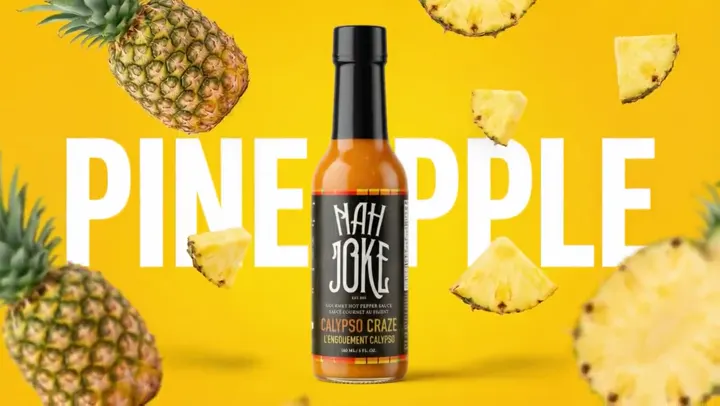 Website video above the fold without killing page speed: how we ship motion that still scoresMotion sells. A 40 MB autoplay loop does not. This is the pattern running on our own homepage.Read the note
 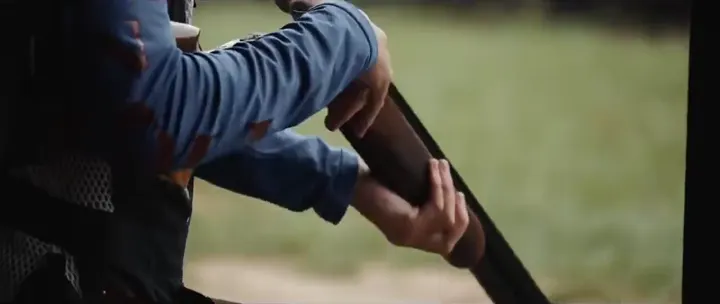 Toronto event videography: how one event produced 200K views (and what we shoot to get there)Plan for the vertical feed, edit before the lights come up, and post like the event is still happening.Read the note
 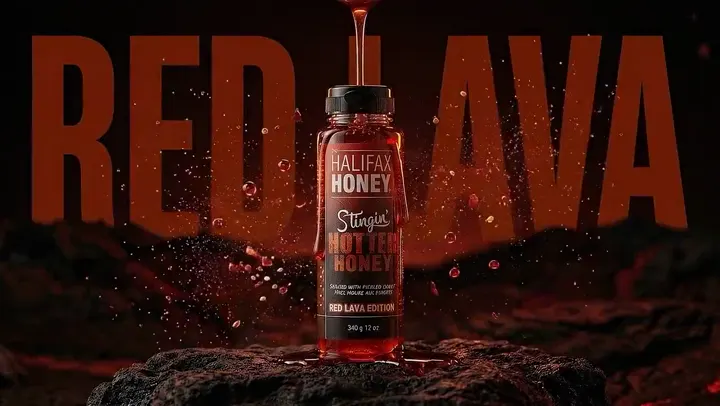 Product video for CPG brands: the 3-scene reel formula we use for food, drink and retailHook, product in use, payoff. Three scenes, twelve seconds, and a shoot day that produces ten of them.Read the note